

Volunteering Rebounded. Civic Institutions Still Need Reliable Support.
A community’s need for dependable volunteers is real. So is the recovery in volunteering after the pandemic. An argument for service should be willing to acknowledge both.

A community’s need for dependable volunteers is real. So is the recovery in volunteering after the pandemic. An argument for service should be willing to acknowledge both.

Having someone to call is a simple phrase for a demanding relationship: someone who knows you, answers honestly, and can expect you to do the same.
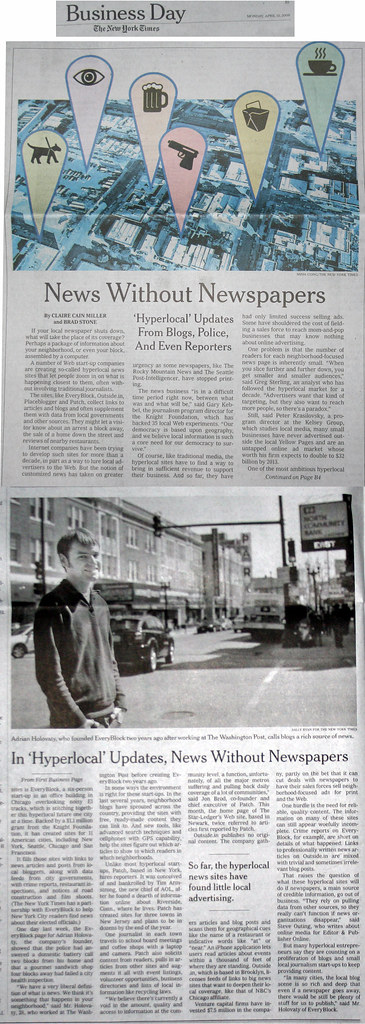
A local decision can reshape a neighborhood without becoming national news. Someone still needs to read the proposal, attend the meeting, and explain what changed.

When a hospital changes services, residents need to know what care remains and where the missing care will be provided.

A parent cannot solve a childcare problem with an annual average. The care has to exist nearby, accept the child, and cover the hours in which it is needed.

A patient should be able to understand a medical bill, identify who can correct an error, and obtain a clear explanation of available assistance.

Concern about food should begin with the people who cannot reliably obtain enough of it. It should also begin with an accurate account of what the national measure means.

A housing market should be judged partly by who can enter it. But a survey of people who completed a purchase cannot tell the whole story of everyone who wanted to buy.

Public authority depends in part on whether people believe it will be exercised responsibly. Measuring that belief requires an identifiable survey, not a number whose calculation a reader cannot reproduce.

Political violence must be condemned without inventing what witnesses thought or turning an initial report into a measurement of the nation’s character.

A credible press matters because citizens need a way to examine claims made by people with power. Credibility cannot be secured merely by insisting that an audience should trust the institution speaking to it.

What the Moral Decay Index Is — and What It Can Establish The Moral Decay Index asks whether the standards

A promise about education should be accompanied by an honest account of its cost. That obligation applies to institutions promoting a program and to commentators describing the consequences of borrowing.

Robert Putnam’s 1995 essay, Bowling Alone: America’s Declining Social Capital, offered an influential account of civic association and shared life.

Public discussion of homelessness should begin with the people affected and a clear account of what is being counted.

A credential makes a claim about what its holder has learned or can do. Deliberately misrepresenting work undermines that claim.

A congregation can be a place of worship, mutual obligation, service, and moral formation. Those possibilities make participation worth examining carefully rather than treating a dramatic number as proof of every claim about community.

A young person entering the justice system is still a person with a future. Taking that future seriously requires attention to harm, responsibility, and the actual effect of the response.
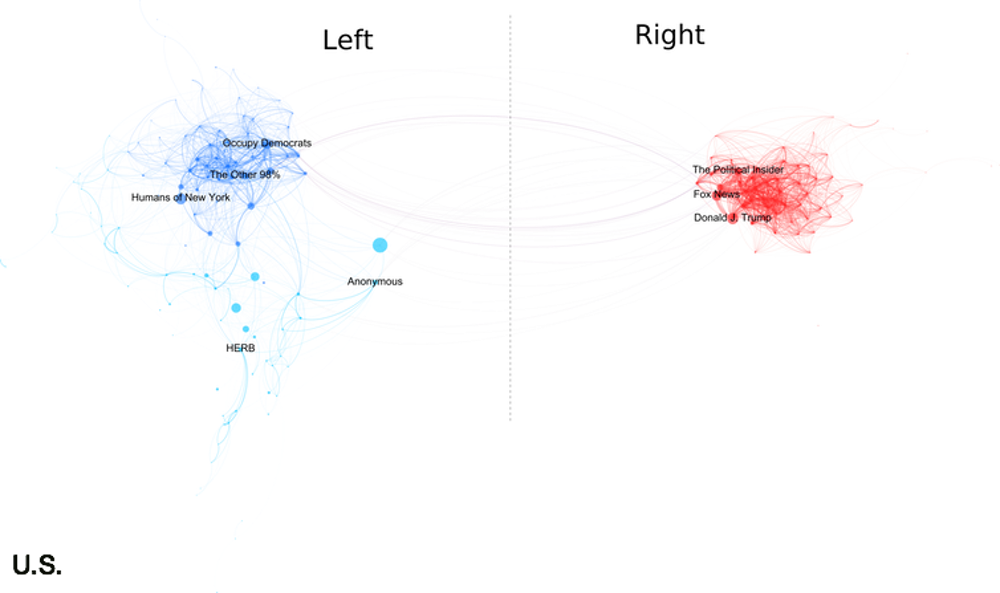
Political disagreement can involve serious moral questions. The danger is not that citizens hold convictions; it is that conviction becomes permission to treat every opponent as beneath consideration.

An organization reveals its ethical standards when following them becomes inconvenient. A statement about integrity means little if employees are expected to conceal problems to meet a target.