

Religious Attendance in 2025: Lower Participation and the Duty to Serve
Gallup’s 2025 data: 31% attend weekly or nearly weekly, 57% seldom or never. What the numbers show, how Pew’s survey differs, and what neither can tell us.

Gallup’s 2025 data: 31% attend weekly or nearly weekly, 57% seldom or never. What the numbers show, how Pew’s survey differs, and what neither can tell us.

FBI’s preliminary 2025 data show violent crime down an estimated 9.3%. Gallup’s 2025 poll found 49% still said crime rose. What each measures, and when.

The Federal Trade Commission warns that scammers may imitate a relative, including with AI voice cloning, and use an invented emergency to demand immediate payment.

CDC’s provisional estimate puts 2025 U.S. overdose deaths near 70,000, down almost 14% from 2024. What the data show, what they can’t, and what remains.
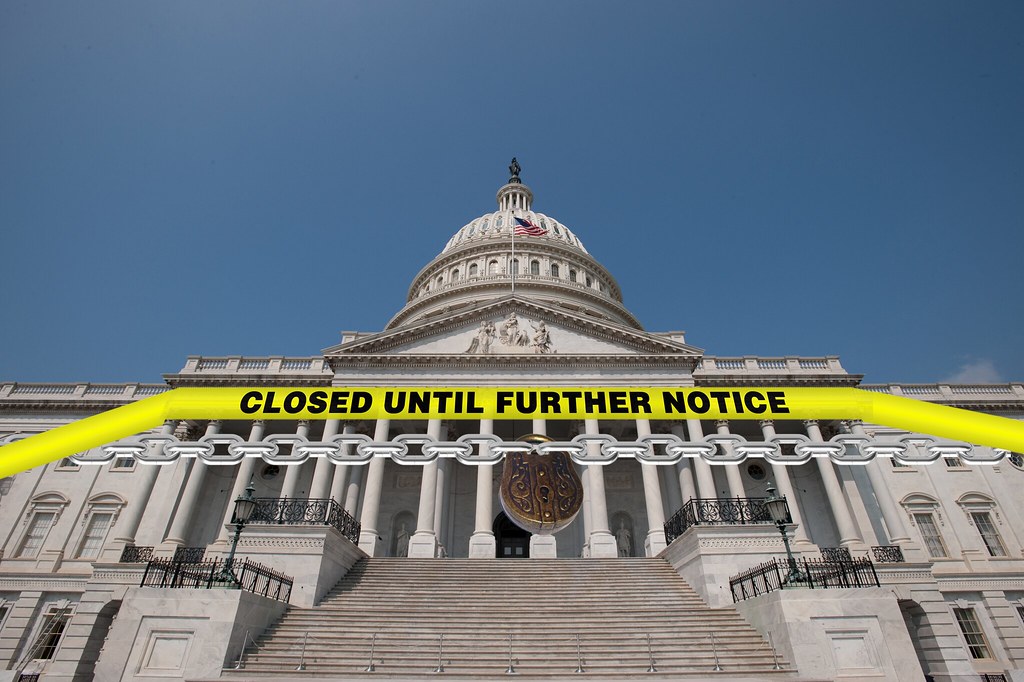
Annenberg’s September 11, 2025 release reported that 70% of U.S. adults could name all three branches of government, compared with 65% in 2024.
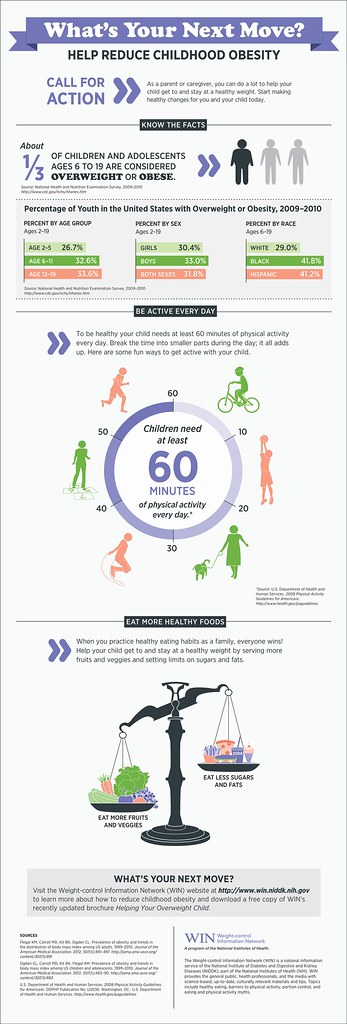
Adults have responsibilities toward children that cannot be reduced to telling them to make better choices. Food, time, safe places to play, and access to care all belong in the conversation.

A country concerned about its future should take the conditions of family life seriously. But concern about births does not give commentators permission to assign motives to people they have never met.
A justice system should be accountable for what happens after a sentence. That accountability requires a clear definition of the result being measured.
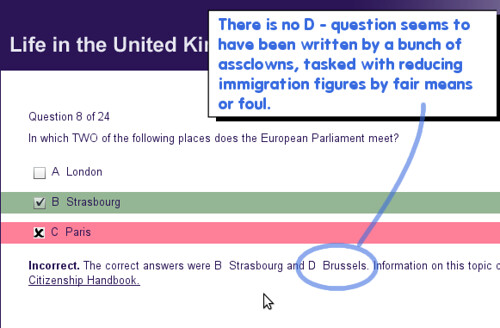
Correction and update — September 20, 2026: The earlier version conflated different surveys, presented older figures without clear dates, and

Wealth concerns what a household owns after debts are accounted for. It is different from income earned during a year, and a national total cannot tell us how resources are distributed among households.
A conversational product can feel personal while remaining a commercial service. That difference matters most when a user begins sharing what they would normally tell a trusted friend.
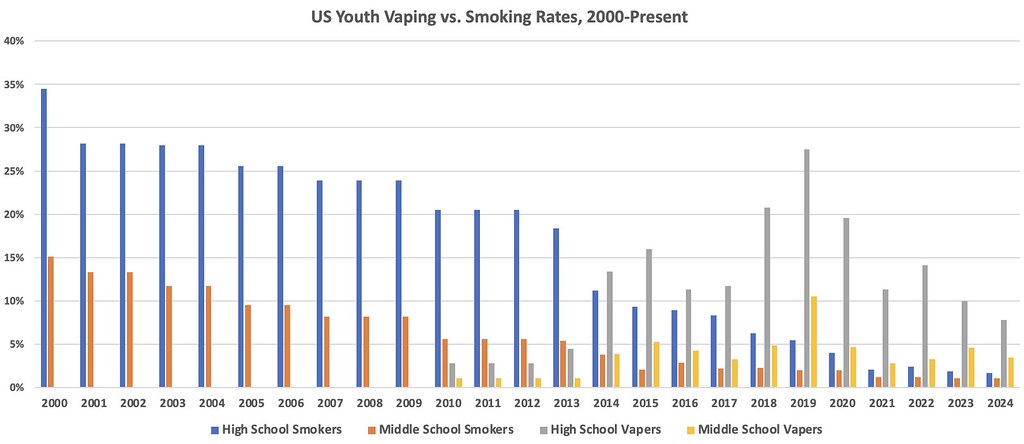
A decline in youth tobacco use deserves to be reported as progress. It does not require a declaration that the problem is finished.
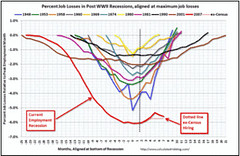
A worker losing a job deserves more than a fashionable explanation. If an employer cites AI, the next question is what changed in the work and who made the decision.
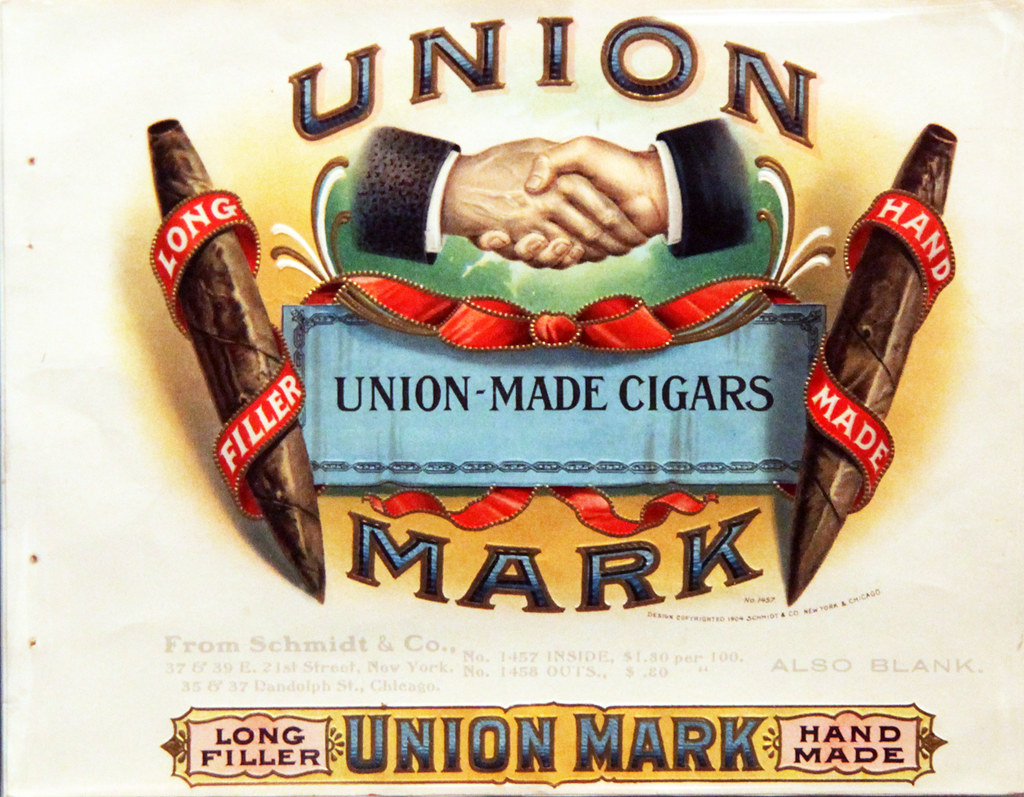
In 1983, one in five U.S. wage and salary workers belonged to a union. In 2025, it was one in ten. That long-term change raises a serious question about who can negotiate with power at work.
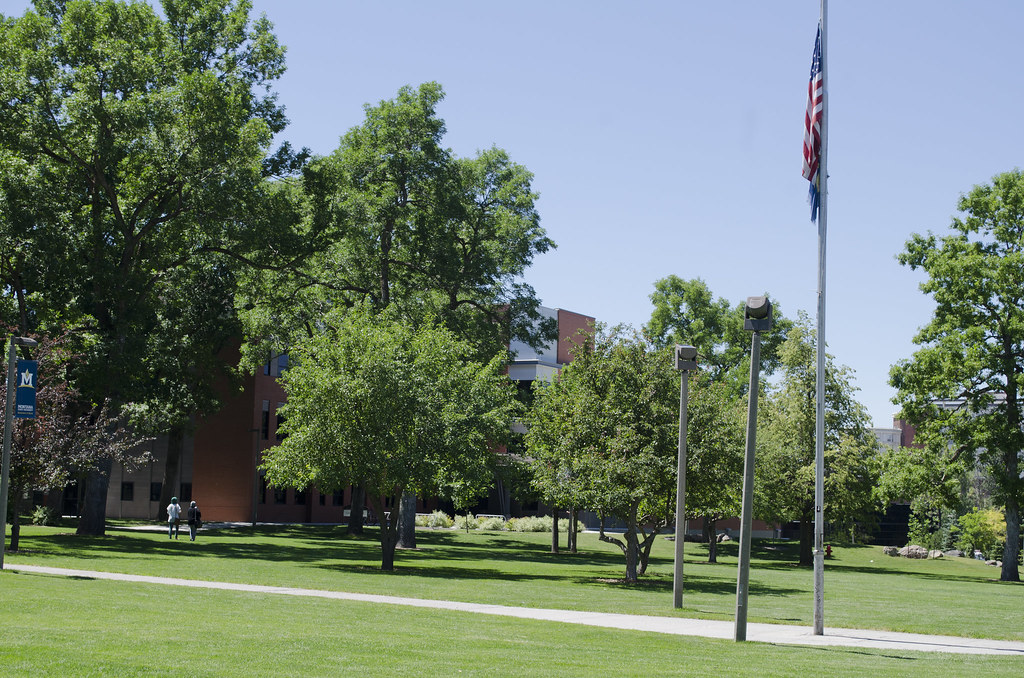
A college can ask a student to invest years of work and a substantial sum of money. It should be able to explain what it offers with more precision than a promise that a degree will open doors.
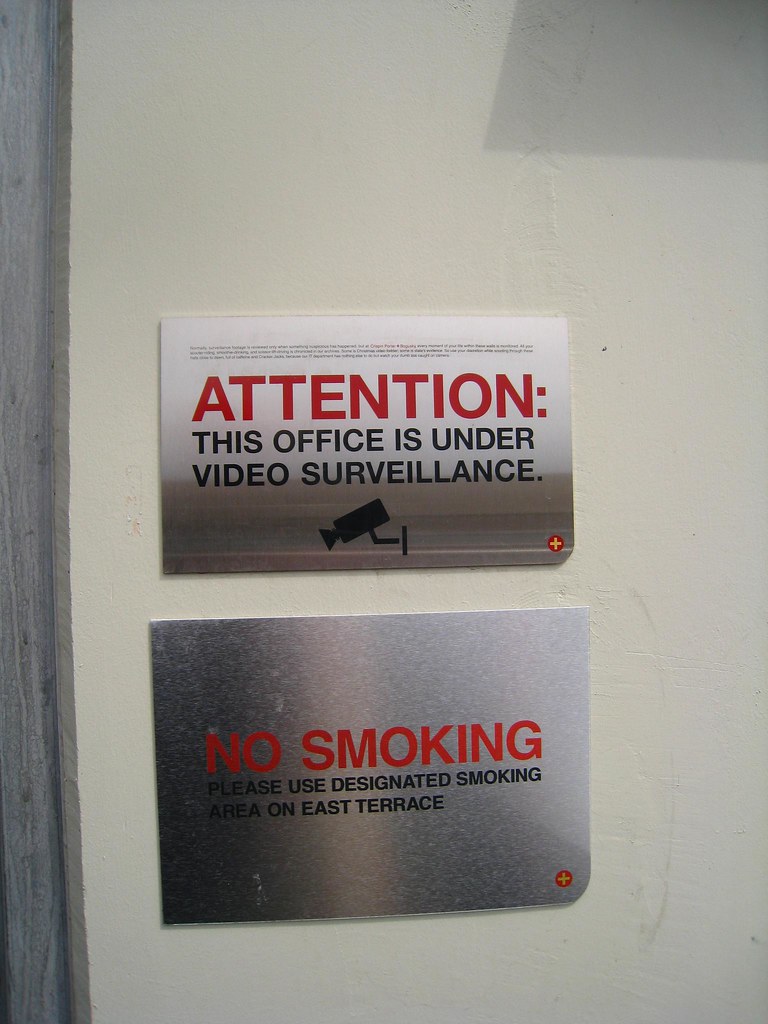
A camera can be sold as protection while creating another place where someone must protect your information. The important question begins after the recording is made.

Health institutions ask people to make decisions that can affect themselves and others. That makes clear evidence and honest communication part of their responsibility, not an optional public-relations exercise.

A society that depends on skilled repair work should take the training of skilled workers seriously. Respect for a trade should be visible before an emergency makes everyone impatient for a technician.

A convincing recording can deserve investigation without deserving immediate belief. The alternative to credulity is verification, not the assumption that nothing can be known.

If people do not clearly understand what is expected of them, a manager should investigate the conditions of the work before judging their character.