

Veteran Suicide: The Obligation Beyond Public Gratitude
Thanking a veteran is easy to do in public. Making help reachable when someone is struggling requires a more durable commitment.

Thanking a veteran is easy to do in public. Making help reachable when someone is struggling requires a more durable commitment.

When a student leaves education without a credential, the appropriate response is more demanding than assigning blame.

Power without integrity is domination presented as leadership. Integrity does not require perfection. It requires a willingness to apply one’s stated standards to one’s own conduct and to accept correction when conduct falls short.

Fiscal decisions distribute benefits and obligations across time. That makes them a moral subject as well as an economic one.

A decline in violence is progress. A publication concerned with moral responsibility should be prepared to say so, even when improvement interrupts a familiar narrative of decline.

Passing a religious tradition to another generation requires more than expecting young people to accept an inherited label.
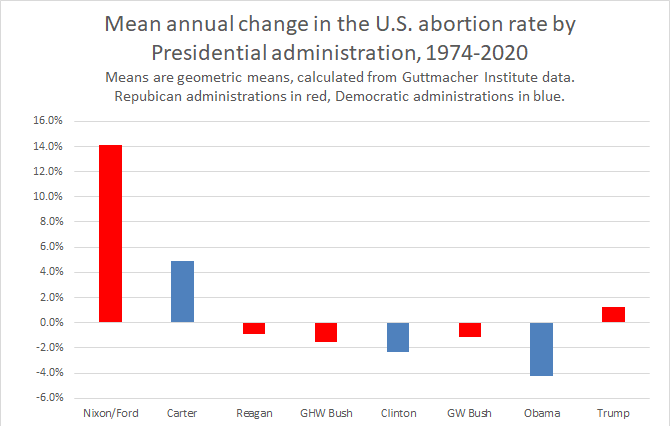
Abortion raises moral questions that a national count cannot settle. Those questions deserve discussion grounded in accurate evidence and respect for the people whose lives and circumstances are involved.

Using force, threats, or control against an intimate partner is not an ordinary disagreement. The responsibility for abusive conduct belongs to the person choosing it.

A decline in overdose mortality is good news. Reporting it honestly strengthens the case for protecting lives; it does not weaken concern for those who are still being lost.

Trust is a currency of leadership. When leaders ask people to bear the consequences of a major decision, they owe them a clear account of the objective, the risks, and the standards by which the decision can be judged.

Fatherhood is a responsibility, not merely a description on a form. That argument is weakened when it relies on circulating percentages whose populations, dates, and methods cannot be established.

Military conflict is a moral event as well as a strategic one. The decision to use force, the way force is used, and the honesty of the accounting afterward deserve scrutiny.

Sexual-health reporting must be accurate enough to inform rather than merely alarm. Treating every disease indicator as though it moves in the same direction hides the problems that most need attention.

Concern about young people’s online experiences is legitimate. It becomes less useful when a commentator treats a complex body of research as though it has established one explanation for every change in adolescent mental health.

A school entrusted with children has a duty to take possible harm seriously. Reporting on that duty also requires care with the distinction between an allegation, an institutional response, and a court finding.

A substance does not become harmless because it is familiar. Alcohol deserves the same honest discussion of risk that we expect when the product is less socially accepted.

Generosity matters because another person’s need places a claim on our attention. Understanding charitable participation requires keeping the measure clear and resisting the temptation to reduce every change to one explanation.

An institution can speak warmly about children while making their caregivers navigate a maze. The test of protection is what happens when someone asks for help.
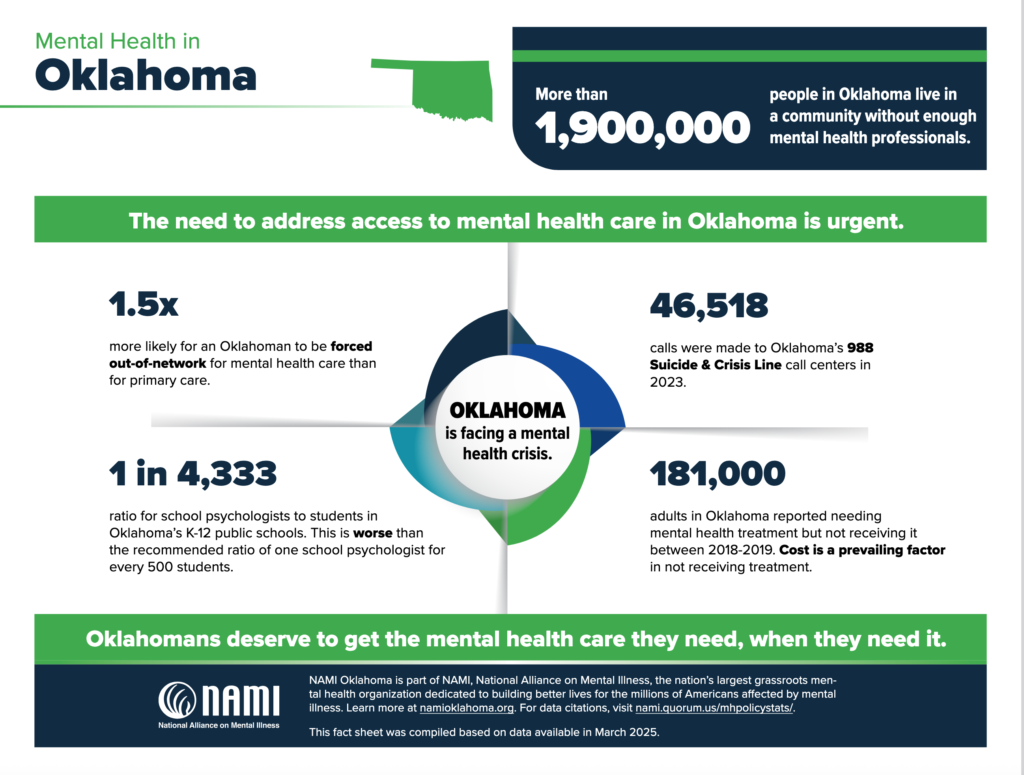
Concern for young people should make our claims more careful, not less. A persuasive story about phones, family, or culture is not enough to explain an individual’s illness or tell that person which treatment will help.

Political disagreement is compatible with recognizing another person’s dignity. Strong criticism becomes something else when it treats people as contaminants, objects, or enemies whose basic rights no longer count.