
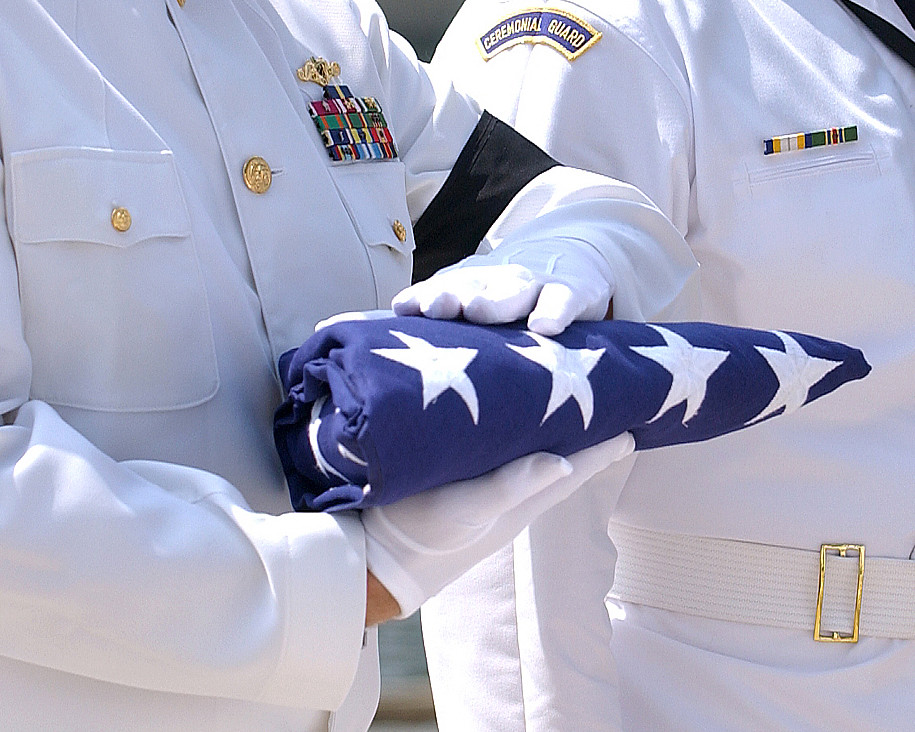
In 2023, 6,398 American veterans died by suicide — more than seventeen every single day. The veteran suicide rate among men is nearly 60% higher than among non-veteran men. Among women veterans it is 92% higher than among non-veteran women. These are not statistics about strangers. They are about the men and women who raised their right hands, went where their country sent them, did what they were asked to do — and came home to find that the country that sent them had largely moved on.
The Numbers the VA Itself Reports
According to the VA’s own 2025 National Veteran Suicide Prevention Annual Report, suicide claimed 6,398 veterans in 2023, with rates rising for both men and women compared to the prior year. Veterans aged 18 to 34 carry the highest risk — the youngest generation of combat veterans, who served in Iraq and Afghanistan and returned to a country that was simultaneously declaring those wars a failure.
Perhaps the most damning statistic in the report: 61% of veterans who died by suicide in 2023 were not receiving VA health care in the last year of their life. The system built to serve them was not reaching them. Of those who did die while receiving VA care, 60.9% had a documented mental health or substance use disorder diagnosis. The care gaps are real, the failures are systemic, and the human cost is being paid in lives.
What We Ask and What We Give Back
America has sent 2.7 million service members to the wars in Iraq and Afghanistan since 2001. These wars produced not just battlefield casualties but a generation carrying the invisible wounds of combat: traumatic brain injury, PTSD, moral injury, chronic pain, and the particular psychological weight of having participated in wars that ended ambiguously at best. Many returned to communities that did not understand what they had experienced and to a VA system chronically under-resourced relative to the scale of need it was asked to meet.
The transition from military to civilian life — the loss of unit cohesion, purpose, identity, and structure that military service provides — is one of the most psychologically demanding experiences a human being can face. Studies show that the period immediately following separation from service is among the highest-risk windows for suicide. Yet the support systems available during that transition have been chronically inadequate, inconsistently funded, and poorly coordinated.
“We ask these men and women to go to war on our behalf — to see things, do things, and carry things that will mark them for life. The least we owe them is a country that takes that seriously when they come home.”
Moral Injury: The Wound We Don’t Talk About
Beyond PTSD, researchers have identified what they call “moral injury” — the damage done when a person is forced to act in ways that violate their deeply held moral beliefs, or witnesses such actions, or fails to prevent them. War produces moral injury routinely. Veterans who carried the weight of impossible decisions, who saw civilians killed, who participated in actions that troubled their conscience — these individuals carry a burden that traditional PTSD treatment does not fully address.
Moral injury requires moral healing — the kind that comes from communities, faith traditions, and human connection willing to sit with the weight of what someone has experienced. A society that has grown increasingly secular, atomized, and uncomfortable with the moral dimensions of human experience is poorly equipped to provide that healing. The veteran suicide rate is, in part, a casualty of a culture that has lost the language for moral wounds.
A National Debt That Goes Unpaid
The Moral Decay Index tracks veteran suicide not as a military issue but as a measure of national character. How a country treats those who served it — in the fullness of their return, not just with parades and thank-yous — reveals what it actually believes about duty, sacrifice, and obligation. By that measure, the 6,398 veterans who died by suicide in 2023 represent a debt that the nation has not paid and, with insufficient urgency, has not even acknowledged.
📊 Index Impact — Veteran Suicide Indicator
Stay informed. Get the monthly index update delivered to your inbox.
— David D.