
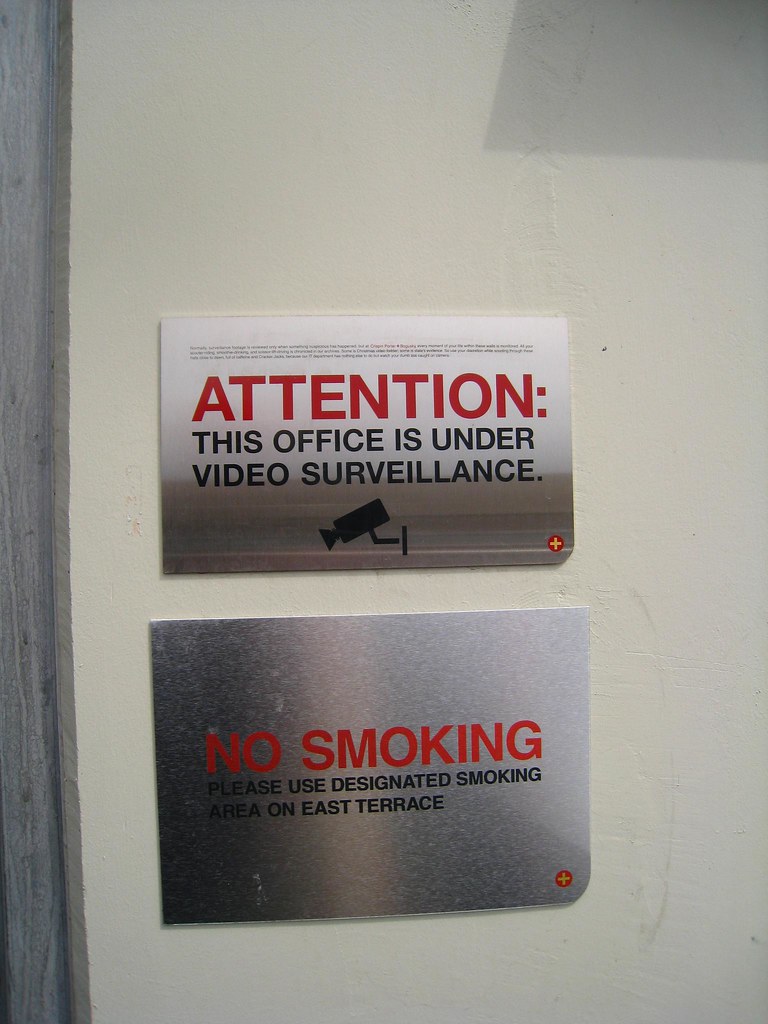
Somewhere between the office and the front porch, America quietly agreed to be watched. Not by a shadowy agency — by employers, neighbors, and private companies with venture funding, all installing cameras and software with the enthusiastic consent of the watched. Nobody voted on this. It just happened, one login and one doorbell at a time.
The Boss Is Always Home Now
Remote work didn’t just move the office into the house — it moved the supervisor in with it. Employee monitoring has gone from a niche HR practice to a default setting: 78% of employers now use some form of employee monitoring, up from 60% before the pandemic. For companies with remote staff specifically, adoption is even more aggressive — 94% of employers with remote workers deploy monitoring software, compared with 62% of fully in-office operations.
A February 2025 survey of employers found 74% use online tracking tools, including real-time screen recording (59%) and logs of everything an employee browses (62%). Add in badge readers, biometric access controls, and old-fashioned video surveillance — used by roughly three-quarters of employers — and the modern workplace has more sensors on it than most retail stores did a decade ago. Workers have noticed: 56% report feeling anxious about being watched, and more than half say they’d consider quitting over increased surveillance. They keep working anyway.
“We didn’t build a surveillance state. We subscribed to one, month by month, $4.99 at a time, and called it a doorbell.”
Every Porch Is a Precinct
Outside the house, the cameras multiplied even faster. Roughly four in ten American households now own a video doorbell, and Ring remains the category’s dominant brand, identified by 43% of security-camera owners as their primary system. What started as a way to see who’s at the door has quietly become a decentralized, privately-owned camera network blanketing residential America — one that law enforcement has repeatedly tapped through footage-sharing partnerships, often without a warrant in sight.
Then there’s the hardware nobody notices until they read about it: automated license plate readers. Flock Safety alone now operates in more than 5,000 communities across 49 states, running upward of 20 billion vehicle scans every month through partnerships with more than 5,000 law enforcement agencies. A car doesn’t need to be involved in a crime to get logged — it just needs to drive past a pole. The scans pile up into a searchable record of where you’ve been, indefinitely, whether or not anyone ever suspected you of anything.
Consent Without a Choice
What distinguishes this wave of surveillance from prior ones is that almost nobody is forcing it on anyone. Employees install the tracking software because the job requires it. Homeowners buy the doorbell camera because the neighbor already has one and the package thefts are real. Cities approve the license plate readers because a councilmember ran on public safety. Every individual link in the chain looks like a reasonable, voluntary decision. The chain itself adds up to a country where cameras log your commute, software logs your keystrokes, and a doorbell logs your face before you’ve said a word — and almost none of it required anyone to pass a law.
📊 Index Impact — Surveillance Normalization
78% (up from 60%)
20 Billion+
Worsening
⚠ Warning
The Index tracks surveillance normalization because privacy erosion rarely announces itself — it accumulates through products people are glad to buy and policies nobody remembers approving. A society that no longer notices how closely it’s watched has already lost something worth counting.
Stay informed. Get the monthly index update delivered to your inbox.