

Retailers Report Less Shoplifting and Continuing Fraud Concerns
The National Retail Federation’s July 30, 2026 release describes a retailer survey conducted with the Loss Prevention Research Council.
Safety, justice, and accountability
The National Retail Federation’s July 30, 2026 release describes a retailer survey conducted with the Loss Prevention Research Council.

FBI’s preliminary 2025 data show violent crime down an estimated 9.3%. Gallup’s 2025 poll found 49% still said crime rose. What each measures, and when.
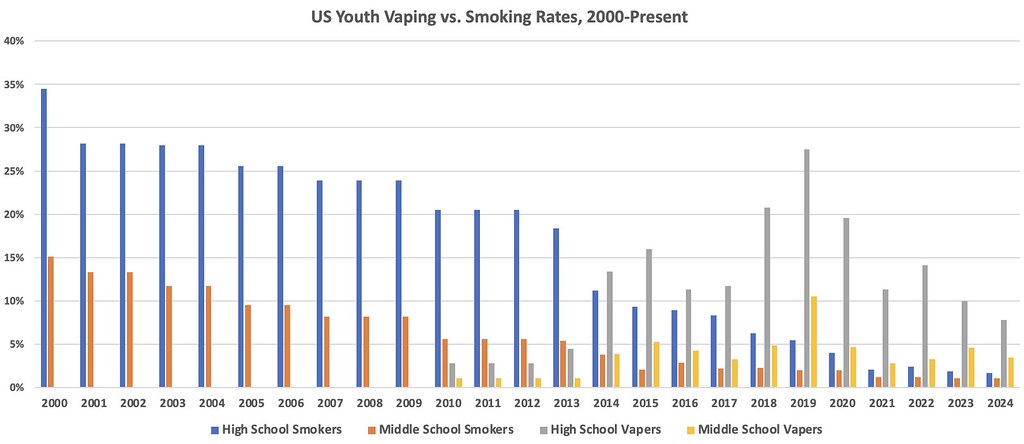
A decline in youth tobacco use deserves to be reported as progress. It does not require a declaration that the problem is finished.
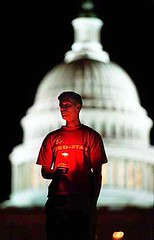
Political violence must be condemned without inventing what witnesses thought or turning an initial report into a measurement of the nation’s character.

A young person entering the justice system is still a person with a future. Taking that future seriously requires attention to harm, responsibility, and the actual effect of the response.

A neighborhood experiencing violence deserves an effective response. It also deserves more than a promise that one favored program will solve a problem before its results have been examined.
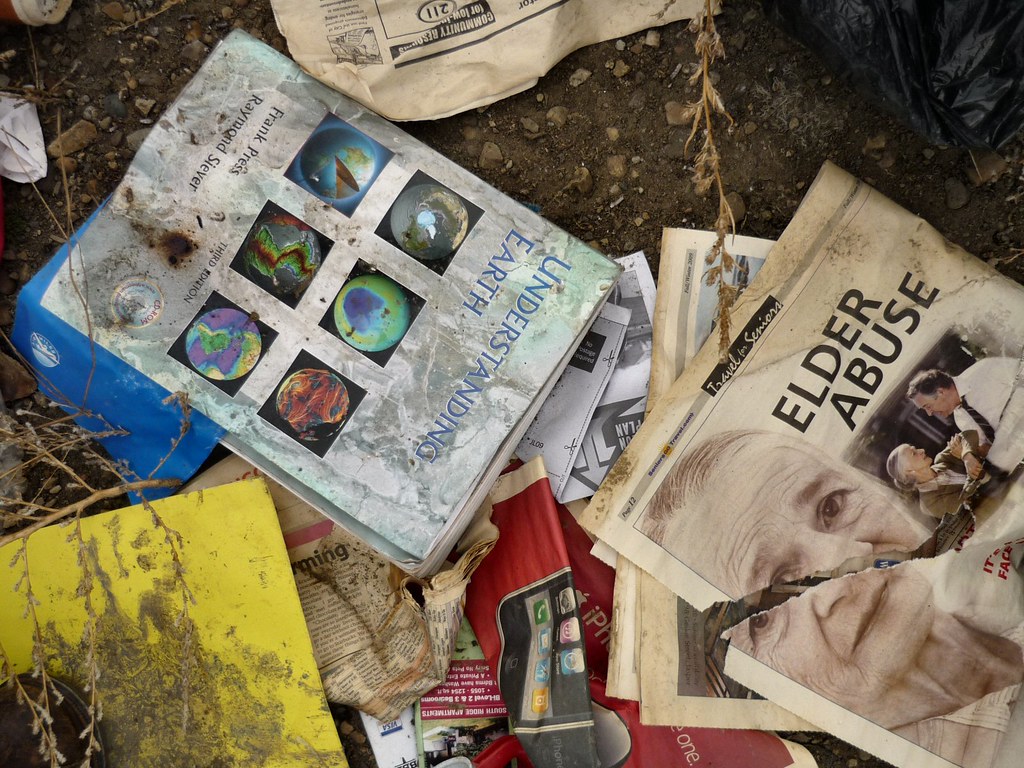
A person’s worth does not decline with age or with the amount of assistance they need. Care should preserve dignity as well as meet practical needs.

The road is a shared space where one person’s impatience can impose risk on strangers. A moral discussion of driving should examine conduct without pretending that a survey can explain an entire culture.

The power to confine a person is among the most serious powers a state possesses. A large system deserves scrutiny, but the scrutiny must be precise enough to identify what should change.

Human trafficking violates the dignity of people by exploiting their labor or commercial sexual activity. An accurate account is essential because myths can distract attention from the conduct that matters.

Corporate accountability is strongest when it identifies documented conduct. Sweeping accusations can make a story louder while making its factual foundation weaker.

Theft can harm workers, customers, and owners. Taking those harms seriously does not require treating every estimate as a national census or every policy change as proof of causation.

Society grants trust to people who work with vulnerable members of a community. When authority is used to exploit someone who depends on it, that conduct betrays the purpose for which the authority was granted.

Jewish people should be able to participate in public life without threats, harassment, or violence. That obligation does not depend on a person’s political position or on whether a headline number rises in a particular year.

A decline in violence is progress. A publication concerned with moral responsibility should be prepared to say so, even when improvement interrupts a familiar narrative of decline.
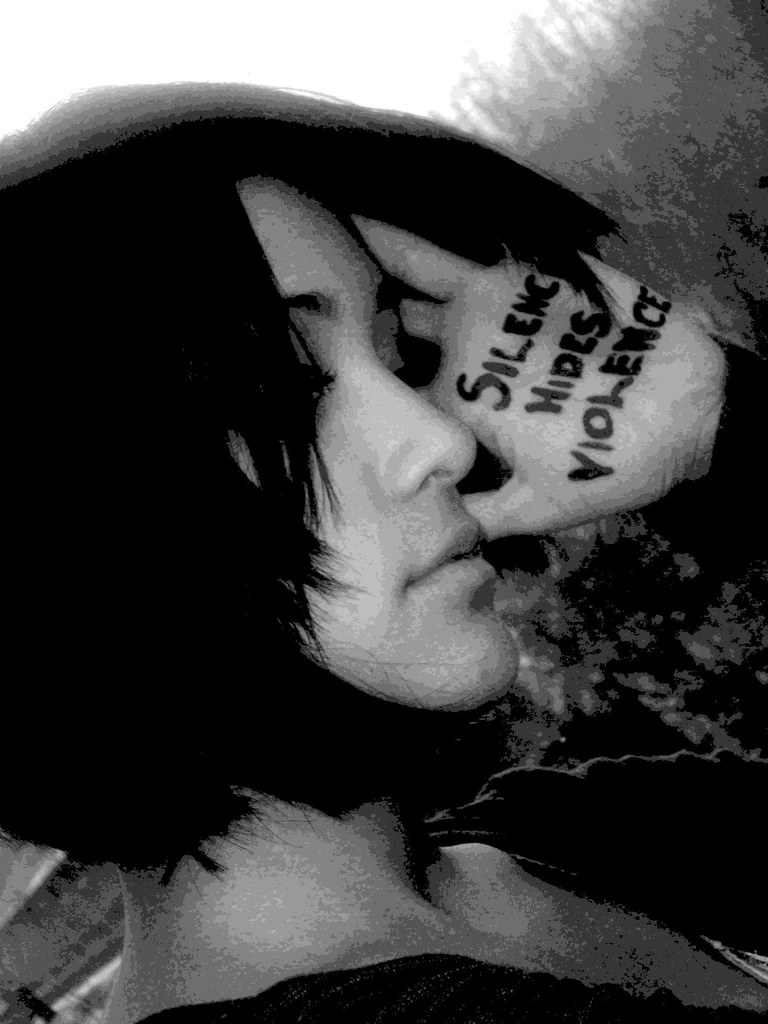
Using force, threats, or control against an intimate partner is not an ordinary disagreement. The responsibility for abusive conduct belongs to the person choosing it.

A school entrusted with children has a duty to take possible harm seriously. Reporting on that duty also requires care with the distinction between an allegation, an institutional response, and a court finding.
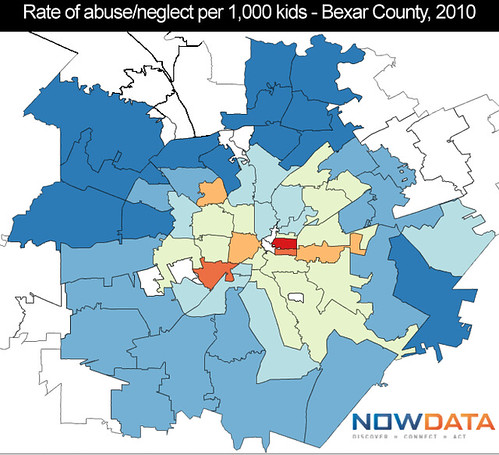
Children depend on adults who hold power over their daily lives. That dependence creates an obligation to protect their dignity and safety, including when a disclosure is uncomfortable for a family or institution.