

One Quarter Had Not Married by 40: What the 2021 Census Finding Does and Does Not Mean
Pew’s analysis of Census data: 25% of 40-year-olds had never married in 2021, up from 6% in 1980. What that does and does not mean, with Census and CDC context.
Caregiving, security, and relationships
Pew’s analysis of Census data: 25% of 40-year-olds had never married in 2021, up from 6% in 1980. What that does and does not mean, with Census and CDC context.
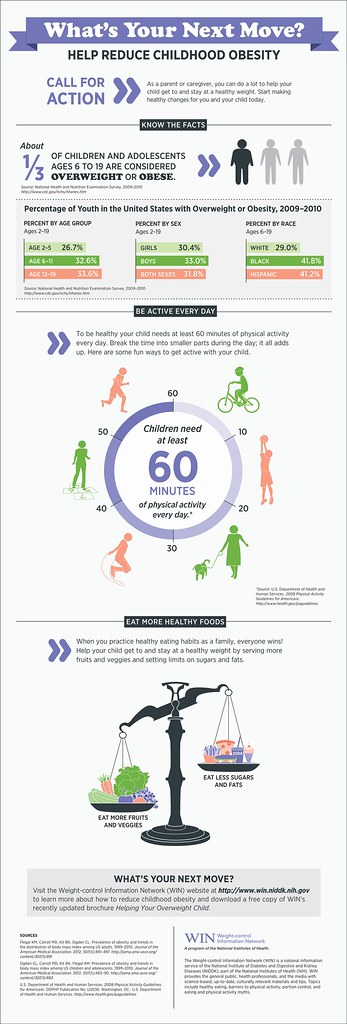
Adults have responsibilities toward children that cannot be reduced to telling them to make better choices. Food, time, safe places to play, and access to care all belong in the conversation.

A country concerned about its future should take the conditions of family life seriously. But concern about births does not give commentators permission to assign motives to people they have never met.
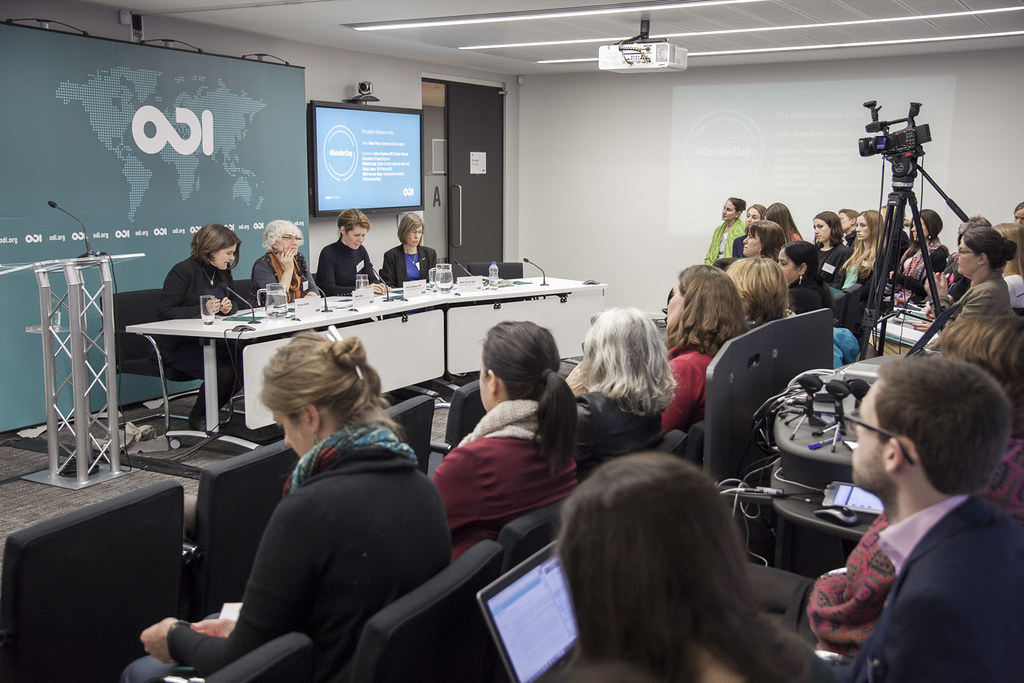
A parent cannot solve a childcare problem with an annual average. The care has to exist nearby, accept the child, and cover the hours in which it is needed.

A birth certificate can record marital status. It cannot give a complete account of who will love, support, or care for the child.
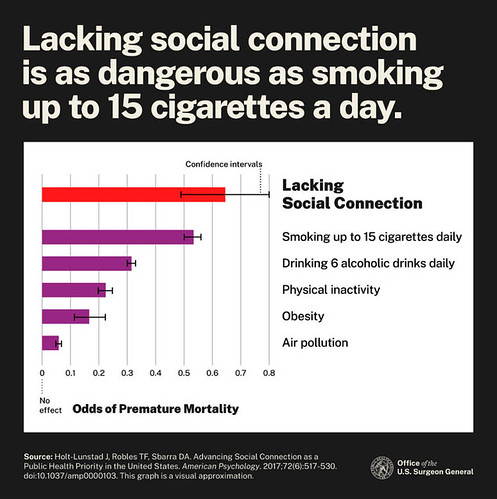
Loneliness deserves a response that preserves the dignity of the person experiencing it. It is not evidence that someone has failed morally, and it should not be used as a label for an entire generation.
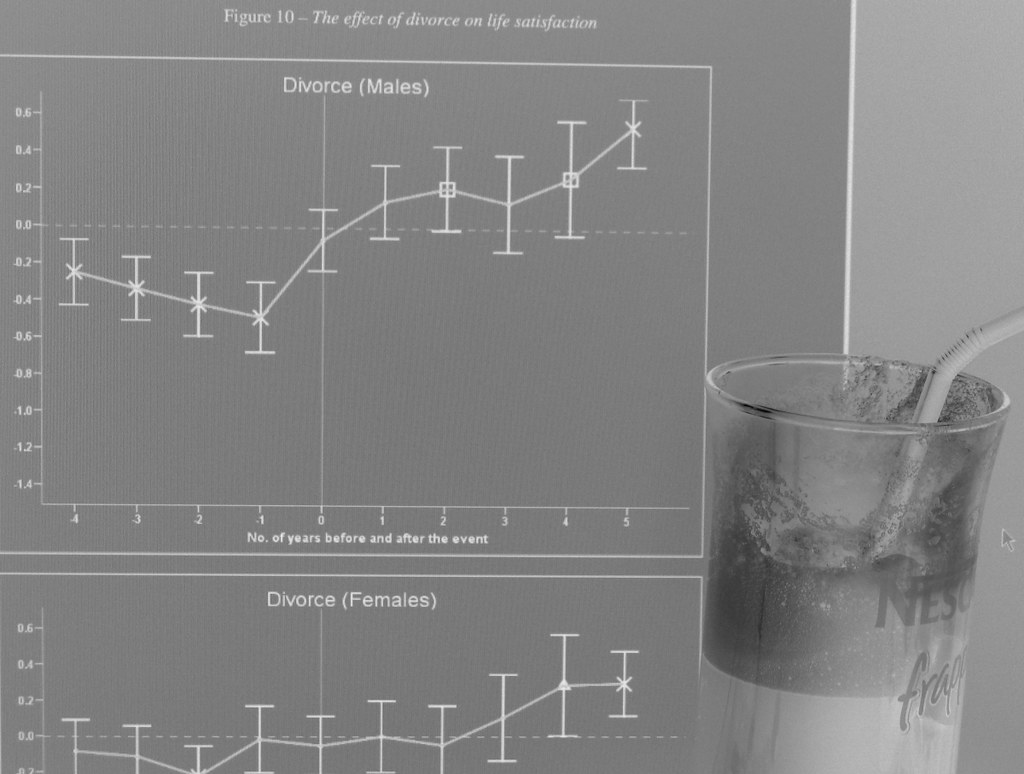
When a household separates, an argument about who was right does not settle who will pay next month’s bills or provide tomorrow’s care.

Marriage is a promise about how people will live when affection is tested by obligation. That is a serious moral subject.

When a student leaves education without a credential, the appropriate response is more demanding than assigning blame.
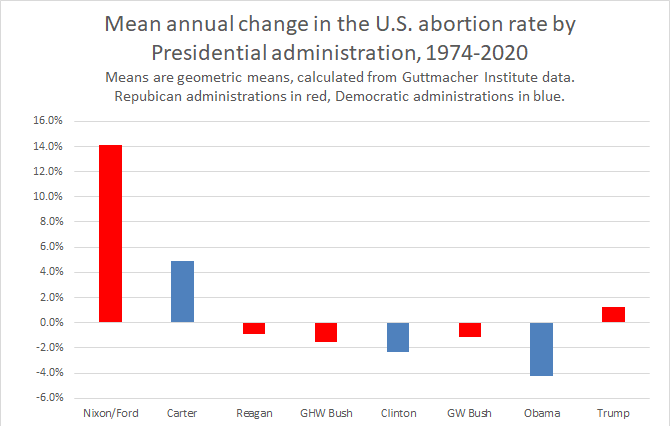
Abortion raises moral questions that a national count cannot settle. Those questions deserve discussion grounded in accurate evidence and respect for the people whose lives and circumstances are involved.

Fatherhood is a responsibility, not merely a description on a form. That argument is weakened when it relies on circulating percentages whose populations, dates, and methods cannot be established.