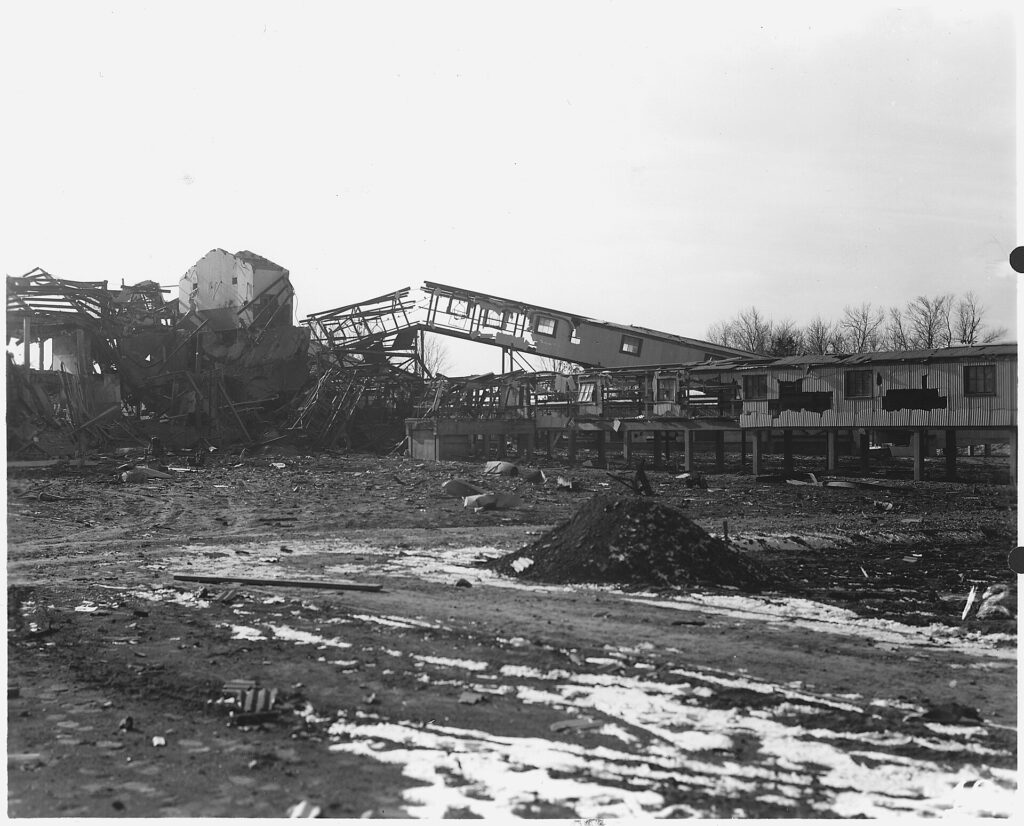
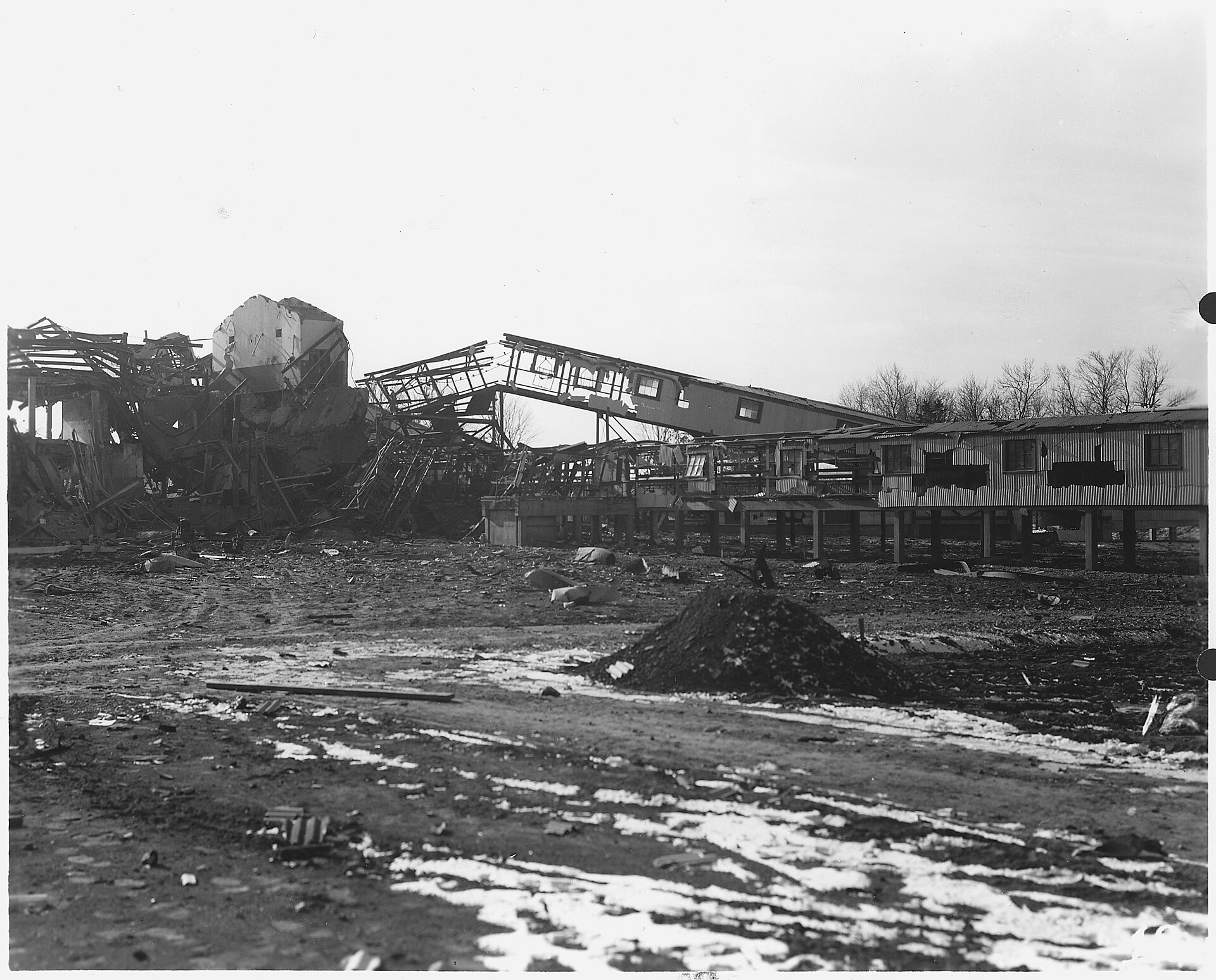
Middletown, Iowa has about 400 people. The Army plans to detonate nearly five tons of lead azide a short distance from their homes.
The Iowa Army Ammunition Plant holds 68 drums of degraded lead azide, about 10,000 pounds. The Army says the drums sat in earth-covered storage for more than 20 years, kept wet in a bath of ethanol and water. A safety review in March found the problem and shut the plant for about two weeks. The Army says the material recrystallized, which made it sensitive to friction and shock. Moving it could set it off.
The EPA issued an emergency permit for a controlled detonation in place. The Army says it considered chemical neutralization, transport to another facility, and continued storage, and rejected all three as too dangerous. It says blowing the material up on site is the only safe option.
That may be right. The public still has a right to ask how the Army reached this point.
What the Army has not explained
The Army’s plume model reaches northeast toward Maquoketa. Experts told The Intercept the model is incomplete, and shifting wind could carry particles into Illinois. The Intercept reports that lead-bearing particles could travel up to 100 miles.
The Army’s map does not show how much lead will settle on the ground, according to a University of Iowa researcher. The Army also has not published expected airborne lead levels. It says it does not anticipate long-term health effects, but it has not shown the numbers behind that.
Its own environmental assessment admits contaminants could reach waterways through runoff or seep into groundwater. It also admits the blast could damage nearby homes and disrupt farm leases during cleanup.
Residents have been told to hose lead dust off their property. A University of Iowa professor told The Intercept that hosing it off moves it into soil and surface water. That matters for gardens, pets, livestock and creeks. The CDC says no safe blood lead level has been identified in children.
Reporters also asked how long the material was stored and whether anyone noticed the decay earlier. The Army did not directly answer. Everything else depends on that answer, because a hazard that built up over two decades points to an oversight failure that came well before any disposal plan.
What is not confirmed
Some people say the blast will destroy the local ecosystem. The sources do not support that. The Army says the dust plume will linger for about an hour, and the permit requires sampling before and after the blast and cleanup of contamination above regulatory limits. Whether those steps are enough is an open question. Nobody can say yet how far the lead will spread or how long it will stay in the soil, and that is why the missing deposition data matters.
Where things stand
The detonation was first set for Friday, Nov. 20. The Army moved it to Monday, Nov. 23. Environmental groups sued, and the Eighth Circuit Court of Appeals granted an emergency pause. Court records show the Army planned to use emergency provisions to go ahead anyway. On Sunday night, Nov. 22, the Army moved the date again, to Wednesday, Nov. 25, citing better weather and time to put mitigation measures in place.
Residents learned about the lead azide in March, got a public meeting in October, and got a firm date only days before the first planned blast. If the Army is right that this is the least bad option, it can prove it by publishing the lead-deposition numbers and a testing plan the public can see, and by explaining how the drums got this bad. A town of 400 should not have to trust a model it cannot check.
Build the habit of checking the record yourself with the Moral Consistency Journal, and keep reading at our Bookshop store.
Sources: Iowa Capital Dispatch (Nov. 18); MPR News (Nov. 19); The Intercept (Nov. 19); ABC News (Nov. 20 and Nov. 22); CBS News; U.S. Army IAAAP advisory (Nov. 15); EPA Region 7 emergency permit notice.