
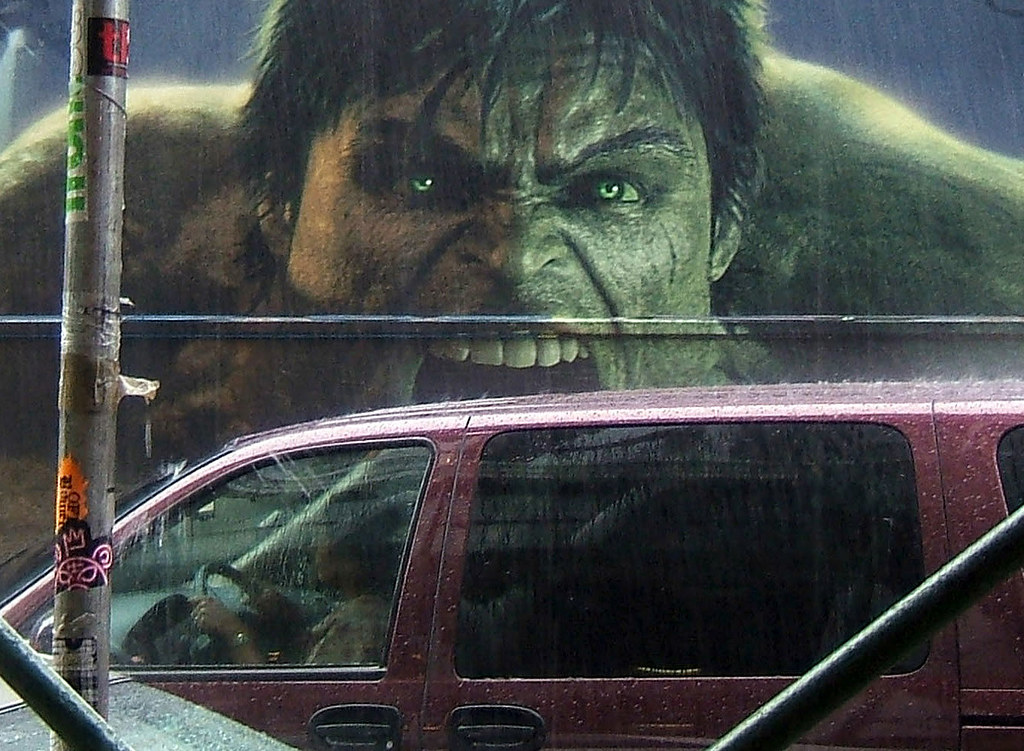
A new AAA Foundation study found that 96% of American drivers admit to aggressive driving behaviors in the past year — cutting off other vehicles, honking in anger, tailgating, yelling. More alarming: 11% admit to violent actions including intentionally bumping another vehicle or physically confronting a driver. In 2022, 141 people were killed and 413 wounded in road rage incidents involving firearms — more than double the rate from 2018. The road has become a theater of rage. What plays out there is a symptom of something much deeper.
The Numbers Behind the Anger
The AAA Foundation for Traffic Safety’s 2025 study documented that 96% of drivers acknowledged engaging in at least one aggressive driving behavior in the past year. 92% reported behaviors that put other drivers at risk — speeding, dangerous lane changes, running red lights. 76% of Americans believe road rage has increased, a perception consistent across all generations and demographic groups. Aggressive driving and road rage together contribute to an estimated 66% of all traffic fatalities in the United States.
The firearms component of road rage has become particularly deadly. The 141 people killed in gun-related road rage incidents in 2022 represented more than double the 70 killed in 2018 — a staggering escalation in a period of just four years. The combination of high vehicle density, high firearm ownership, high stress levels, and a cultural environment that validates the expression of rage has created a uniquely American form of everyday lethality on public roads.
Why the Road Reveals the Culture
The road is one of the last spaces in American life where strangers are forced into sustained, close physical proximity with one another, governed only by informal norms of courtesy and the formal rules of traffic law. It is, in that sense, a microcosm of civil society — a test of whether individuals, when no one is specifically watching, will extend basic courtesy to strangers or treat them as obstacles and enemies.
The road rage epidemic suggests that test is increasingly being failed. Aggressive driving is the behavioral expression of a disposition toward other people — specifically, that their time, safety, and rights on the road are less important than one’s own convenience and frustration. That disposition does not appear and disappear at the on-ramp. It is the same disposition that drives incivility in other domains — in online discourse, in public spaces, in political life — and its prevalence on roads is a measure of its prevalence in the culture.
“Road rage is not really about traffic. It is about what happens when millions of people who are stressed, isolated, and have lost faith in the basic good faith of their fellow citizens are placed in close proximity to strangers with two tons of steel and, increasingly, a firearm. The road did not create that condition. The culture did.”
The Stress and Isolation Beneath the Rage
Understanding road rage requires understanding the drivers. Survey research consistently shows that the individuals most prone to aggressive driving are those experiencing the highest levels of stress, sleep deprivation, and psychological strain — conditions that have grown more prevalent across the American population over the past two decades. The rage on the road is often the overflow of accumulated frustration from work, family pressure, financial stress, and the general ambient anxiety of contemporary American life.
A calmer, more connected, more purposeful society produces calmer drivers. The road rage epidemic is not a traffic management problem — it is a social health problem, and it will not be solved by wider lanes or better signage. It will improve when the underlying conditions that produce chronically angry, stressed, and isolated Americans are addressed. Until then, 96% of drivers will continue to express on the road what they carry everywhere else.
📊 Index Impact — Road Rage Indicator
Stay informed. Get the monthly index update delivered to your inbox.
— David D.