
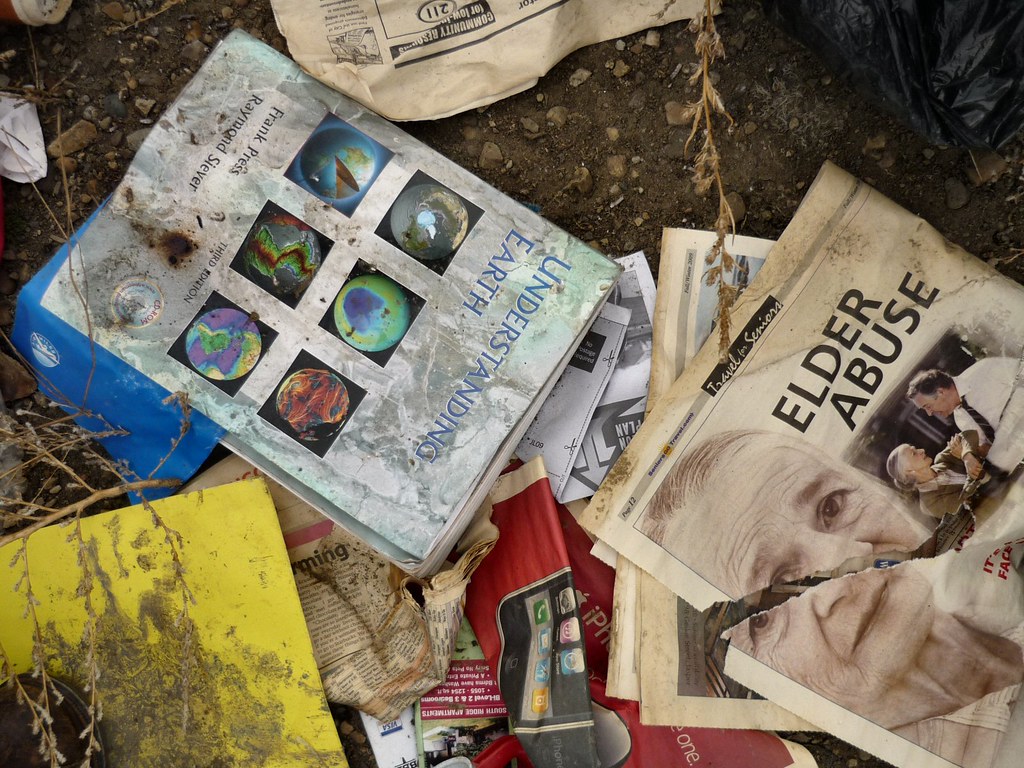
How a civilization treats its most vulnerable members — its children, its elderly, its disabled — is the truest measure of its moral character. By that measure, America is failing catastrophically. An estimated 5 million older Americans experience some form of abuse every year, the vast majority of it hidden, unreported, and perpetrated by the very people entrusted with their care. Only 1 in 24 elder abuse cases is ever reported to authorities.
A Crisis Hidden by Its Victims’ Silence
Elder abuse is uniquely concealed because those who suffer it are uniquely unable to speak. Cognitive decline, physical frailty, financial dependency, and the shame of having been betrayed by family members or caregivers combine to create a silence that protects perpetrators and isolates victims. In nursing homes, approximately 16% of residents report having been abused — yet that figure almost certainly understates reality, since the most cognitively impaired residents are the least able to report their experiences.
A landmark WHO study found that more than 66% of nursing home staff members admitted to committing some form of neglect or abuse. 81% of nurses and nursing aides reported witnessing emotional elder abuse, and 40% admitted to perpetrating at least one incident themselves within a 12-month period. These are not rogue institutions — this is a systemic pattern that reflects chronic understaffing, inadequate training, moral desensitization, and an industry that has successfully lobbied against meaningful accountability.
Physical, Financial, and Emotional Exploitation
The most common form of elder abuse in nursing homes is physical (29% of cases), followed by resident-to-resident abuse (22%), gross neglect (14%), financial abuse (7%), and sexual abuse (7%). The CDC reports that 24.3% of nursing home residents experienced at least one instance of physical abuse during their stay. Approximately 50% of elders with dementia are either abused or neglected.
Financial elder abuse is particularly widespread and equally invisible. It ranges from family members draining bank accounts and altering wills, to professional caretakers stealing cash, to sophisticated fraud operations that specifically target isolated elderly individuals. The financial losses are in the billions annually — but the greater damage is the betrayal of trust that leaves victims isolated, impoverished, and convinced that the world has no care for them.
“The way we treat our elders reflects what we believe about the worth of human life when it is no longer productive, no longer youthful, no longer able to demand its own respect. A society that abuses its elderly has decided, at some deep level, that value is conditional.”
The Systemic Failures That Enable Abuse
The elder abuse crisis is not primarily the result of individual moral failure, though individual moral failure is certainly present. It is the result of a system designed around profit rather than care. The nursing home industry, which houses over 1.4 million Americans, is dominated by for-profit chains that have consistently reduced staffing ratios, wages, and training to maximize margins. The resulting caregiving environment — chronically understaffed, poorly compensated, and under-supervised — creates exactly the conditions in which abuse and neglect flourish.
Behind the institutional failure is a broader cultural one: a society that has progressively warehoused its elderly — removing them from family homes and community life into facilities where they are increasingly out of sight and out of mind. The isolation that enables abuse begins not in nursing homes but in the cultural decisions that placed elderly Americans there and then declined to visit.
What a Society Owes Its Elders
Previous generations understood, with no need for legislation, that caring for the elderly was a moral obligation — not a burden to be offloaded to the cheapest available provider. The erosion of that understanding is itself a marker of decay. Societies that honor their elders pass on values, wisdom, and continuity across generations. Societies that warehouse and exploit their elders are consuming their own heritage.
📊 Index Impact — Elder Abuse Indicator
Stay informed. Get the monthly index update delivered to your inbox.
— David D.