
Children do not choose what they eat, how they spend their time, or what environments they are raised in. Adults make those choices for them. That is why the childhood obesity epidemic — now affecting 1 in 5 American children, with severe obesity affecting 1 in 14 — is not fundamentally a public health statistic. It is a measure of how thoroughly American society has abandoned its responsibility to the generation in its care.
The Numbers Behind the Crisis
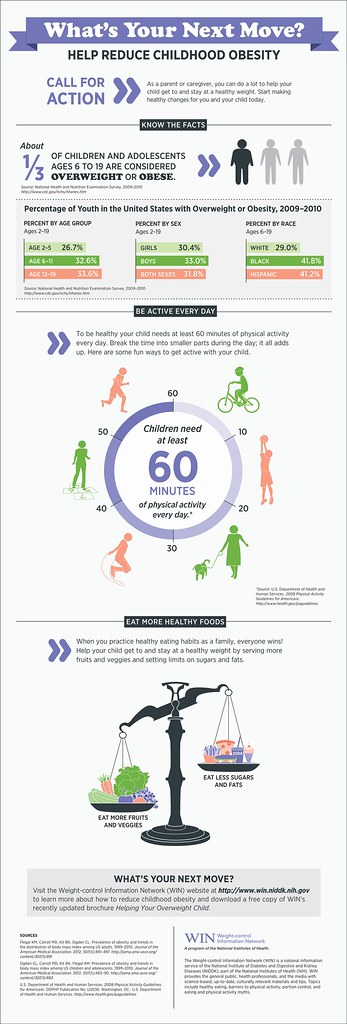
According to the CDC, 21.1% of American children and adolescents ages 2–19 had obesity as of the most recent measurement period — a figure up from 19.3% in 2017–2018. An estimated 15.5 million children are affected. Among them, 7% have severe obesity, nearly double the rate from 1999–2000. The CDC confirmed record-high obesity rates for children and teens in early 2026, even as adult rates showed a slight decline.
The rates are not distributed evenly across the population. Hispanic boys have an obesity rate of 29.3%. Black girls have the highest prevalence of any demographic subgroup at 30.8%. These disparities reflect not just individual family choices but systemic failures — food deserts that limit access to fresh produce, marketing of ultra-processed foods specifically targeted at children in lower-income communities, and environments that make physical activity difficult or unsafe.
What We Are Doing to Children’s Bodies and Futures
Childhood obesity is not simply an aesthetic issue. It dramatically increases the risk of type 2 diabetes, hypertension, cardiovascular disease, sleep apnea, joint problems, and certain cancers — conditions that were once associated exclusively with middle age and older adulthood. Children are now being diagnosed with type 2 diabetes at ages previously unimaginable. They are entering adulthood with bodies already carrying the metabolic damage of decades of poor nutrition.
The psychological consequences are equally severe. Obese children face dramatically higher rates of bullying, social isolation, depression, and anxiety. They perform worse academically. They are less likely to participate in sports and physical activities. The compound effect of physical illness, psychological suffering, and social disadvantage creates cycles of difficulty that can follow individuals for life. The estimated annual medical cost of childhood obesity was $1.3 billion in 2019 dollars — a figure that has grown substantially since.
“We have built an environment in which the unhealthy choice is the easy choice, the cheap choice, the marketed choice, and the default choice — and then we act surprised when children make it. The environment is the problem. Children are the victims.”
The Screen-Food-Inactivity Triangle
The drivers of childhood obesity are not mysterious. Children are spending more time than ever in front of screens — which not only replaces physical activity but also exposes them to thousands of advertisements for ultra-processed foods engineered to be irresistible. The food industry spends approximately $14 billion annually marketing food to children, the vast majority of it promoting products with minimal nutritional value and maximum caloric density. Schools that once provided daily physical education have cut those programs to make room for academic preparation.
Meanwhile, the food landscape in low-income areas has been systematically colonized by fast food, convenience stores, and dollar stores stocked predominantly with processed products. Fresh produce is expensive, perishable, and often geographically inaccessible. The result is not individual failure — it is a manufactured crisis that generates enormous profits for corporations while depositing its costs into the bodies of children who had no say in any of it.
A Moral Accounting
The childhood obesity epidemic reflects what happens when a society prioritizes corporate profit, entertainment convenience, and adult freedom over its children’s wellbeing. It is a measure of how thoroughly the structures that once protected children from exploitation — parents with time and knowledge to cook, schools with physical education, communities with safe play spaces — have been eroded. Rebuilding those structures is not just a health policy question. It is a moral imperative.
📊 Index Impact — Childhood Obesity Indicator
Stay informed. Get the monthly index update delivered to your inbox.
— David D.