
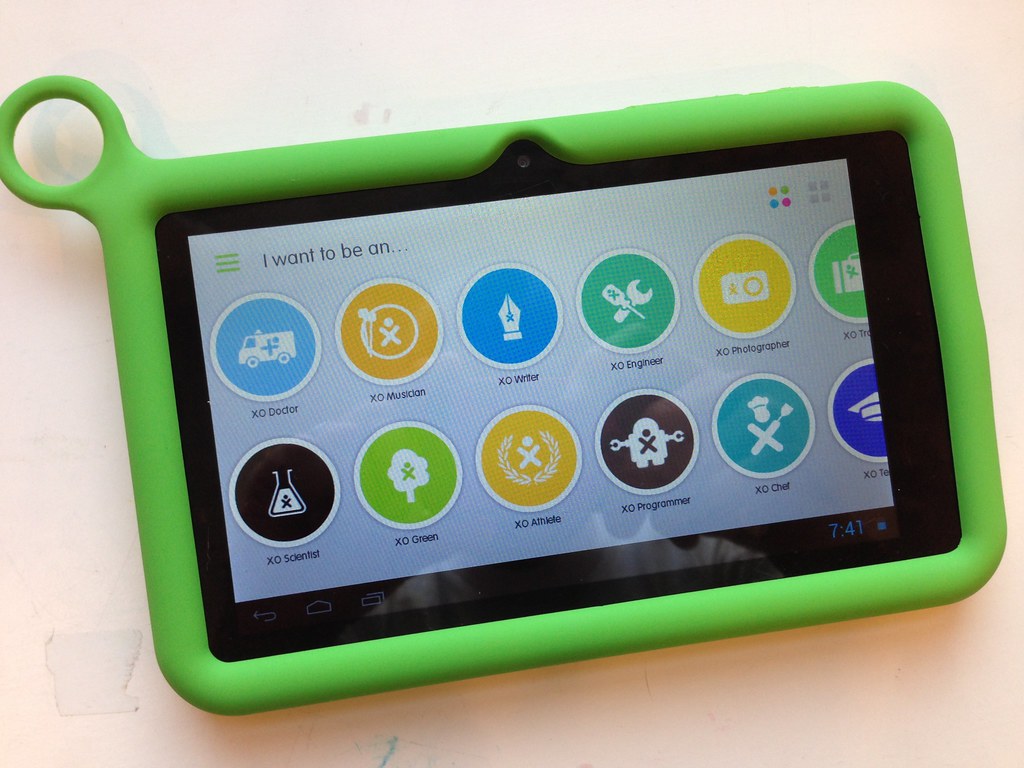
American children now spend an average of seven to nine hours per day looking at screens — more time than they spend sleeping, in school, or in face-to-face interaction with other human beings. This is not a lifestyle preference. It is a mass behavioral modification experiment conducted on children by technology companies whose business models depend on maximizing engagement at any psychological cost.
The Scope of the Problem
Common Sense Media’s research finds that American teenagers spend an average of 8 hours and 39 minutes per day on screen media, not counting school-required use. For tweens aged 8–12, the figure is 5 hours and 33 minutes. The majority of this time is spent on social media platforms, video content, and gaming — activities designed by behavioral engineers to be as difficult as possible to stop.
The average age at which American children receive their first smartphone is now 10 years old. By the time they enter high school, essentially all American teenagers have a smartphone. Virtually all of them have unrestricted access to the full range of content available on the internet — including pornography, graphic violence, extremist material, and the full apparatus of social comparison and public humiliation that social media platforms have made the default environment of adolescent social life.
Designed for Addiction
The architecture of the most widely used digital platforms is not a neutral feature — it is a deliberate design choice. Former employees of major social media and technology companies have testified in Senate hearings and published books documenting how these platforms are engineered to maximize time-on-platform through variable reward schedules (the same mechanism that drives slot machine addiction), algorithmically curated content designed to provoke emotional arousal, and social feedback loops that exploit the biological drive for peer approval in ways that are especially powerful — and especially destructive — for adolescents.
The industry has known about the harms to children for years. Internal Facebook research, disclosed by whistleblower Frances Haugen in 2021, showed that the company’s own studies found Instagram made body image issues worse for teen girls, and that the company chose not to act on these findings because doing so would have reduced engagement. The tobacco industry’s internal documents about addiction showed the same pattern: documented knowledge of harm, and a deliberate decision to continue.
“The technology industry has deployed the most sophisticated psychological manipulation tools ever created against children who have no capacity to defend themselves, and framed parental concern about this as technophobia. The moral accounting for what has been done to this generation has not yet been written.”
What Screen Time Displaces
The damage from excessive screen time is not only what the screens contain — it is what they replace. Every hour a child spends on a device is an hour not spent in unstructured outdoor play (essential for physical development, risk assessment, and creativity), face-to-face social interaction (essential for emotional intelligence and empathy), reading (essential for language development and cognitive complexity), adequate sleep (essential for memory consolidation and mental health), and family conversation (essential for moral formation and attachment).
Research on unstructured play — the kind children historically spent hours a day engaged in, largely without adult supervision — shows it is essential for developing self-regulation, conflict resolution, creativity, and resilience. That play has been almost completely displaced by screens in the lives of many American children. The consequences are visible in the data on childhood anxiety, emotional dysregulation, and social development delays.
The Parental Abdication
The screen addiction crisis is not only a technology industry failure — it is also a parental one. Roughly 40% of American parents give their children a smartphone before age 10. Many parents report using devices as babysitting tools — handing screens to children to secure silence, cooperation, or a few minutes of peace. This is understandable as a short-term coping strategy and represents a moral failure as a long-term parenting approach.
Children cannot regulate their own technology use — the platforms are specifically designed to defeat adult self-regulation, let alone a child’s. The parental role in protecting children from this environment requires the same kind of deliberate, counter-cultural discipline that previous generations of parents exercised to protect children from other age-inappropriate environments. A culture that has normalized seven-hour-a-day screen use for ten-year-olds has ceased, in an important sense, to protect its children.
📊 Index Impact — Screen Use & Child Wellbeing
What Must Change
A growing bipartisan consensus — from Jonathan Haidt on the center-left to the American College of Pediatricians on the right — has coalesced around several specific recommendations: no smartphones before high school, no social media before 16, phone-free schools, and age verification requirements for adult platforms. Some states have begun legislating in this direction. The technology industry has lobbied vigorously against all of it.
The Moral Decay Index regards the screen addiction crisis as one of the most consequential moral challenges facing American society — not because technology is inherently evil, but because the systematic exploitation of children for profit, enabled by parental neglect and regulatory cowardice, represents a collective failure of the adult responsibility to protect the young. Children cannot protect themselves from what the industry has built. Adults have so far largely chosen not to.
Stay informed. Get the monthly index update delivered to your inbox.
— David D.