
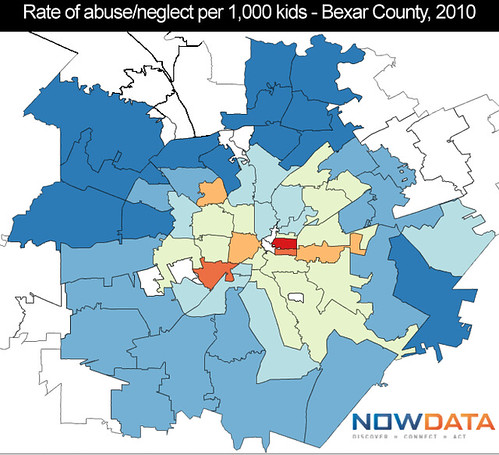
At least 1 in 7 American children experienced abuse or neglect in the past year. In 2024, an estimated 532,228 children were confirmed victims — 1,773 of whom died. 76% were victimized by a parent or legal guardian. The total lifetime economic burden of child abuse and neglect in the United States is estimated at $592 billion. These are not numbers about distant tragedies. They are about what is happening inside American homes, right now, to the most defenseless members of our society.
The Scale of Confirmed Cases — and the Hidden Majority
The 532,228 confirmed child abuse victims in 2024 represent only the cases that were reported, investigated, and substantiated by child protective services. Researchers consistently estimate that reported cases represent a significant undercount of actual abuse — because children cannot report their own abuse, because witnesses are often also vulnerable dependents, and because the social and family shame surrounding abuse suppresses disclosure across all demographics.
The 1,773 children who died from abuse and neglect in 2024 — nearly five children every day — represent the most extreme outcomes of a crisis that extends far deeper. Nearly two-thirds of child fatality victims are younger than three years old. These are infants and toddlers, utterly dependent on the adults around them for survival, killed by the hands that were supposed to protect them. No statistic in this index is more morally stark.
Neglect: The Invisible Majority of Abuse
When most people think of child abuse, they think of physical violence. But the most common form of child maltreatment in America is neglect — the chronic failure to provide children with the basic necessities of food, shelter, supervision, medical care, and emotional engagement that their development requires. Neglect accounts for nearly 80% of substantiated child maltreatment cases.
Neglect is deeply entangled with poverty, substance abuse, mental illness, and family breakdown — all of which are tracked in this index. Parents who are struggling with addiction, who are working three jobs to keep the lights on, who have untreated mental illness, who grew up in neglectful homes themselves — are statistically far more likely to neglect their own children. The cycle is self-perpetuating. Neglected children become adults who struggle to parent, because they never had parenting modeled for them.
“Child abuse and neglect is not just a family problem or a social services problem — it is a civilizational problem. Every child who is harmed today becomes the challenge our society will spend decades trying to manage tomorrow.”
The Lifetime Consequences of Early Harm
The neuroscience on childhood adversity is now unambiguous. Children who experience abuse and neglect suffer measurable changes to brain structure and function, particularly in the regions governing stress regulation, emotional processing, and executive function. These changes do not simply reverse when the abuse stops — they persist, manifesting as elevated rates of anxiety, depression, PTSD, substance abuse, learning disabilities, relationship difficulties, and physical health problems across the lifespan.
The total lifetime economic burden of child abuse and neglect — estimated at $592 billion in 2018 dollars — reflects healthcare costs, lost productivity, criminal justice involvement, and social services expenditure generated by the downstream consequences of early harm. Every dollar not invested in preventing child abuse generates many more dollars in costs that society ultimately bears regardless.
📊 Index Impact — Child Abuse Indicator
Stay informed. Get the monthly index update delivered to your inbox.
— David D.