
When Protectors Become Predators: The Betrayal of Institutional Trust
Society grants extraordinary trust to those who work with its most vulnerable members. When that trust is weaponized by those who were given it to protect, the damage extends far beyond the individual victim. It fractures the entire system of care that vulnerable people depend upon — and it sends a chilling message to everyone who relies on those systems.

A Pattern, Not an Anomaly
Across America, a disturbing pattern has emerged: individuals in positions of care and protection — teachers, coaches, counselors, law enforcement officers — are repeatedly found to have exploited the very people they were hired to serve. These are not isolated incidents. They are a pattern that points to systemic failures in screening, oversight, and accountability.
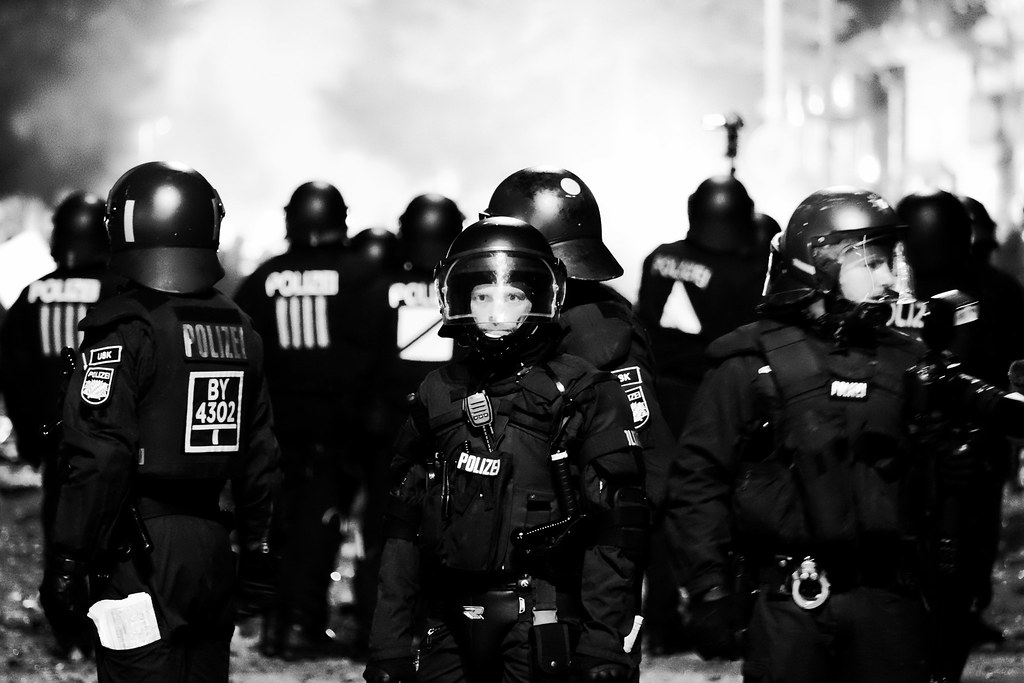
The Moral Decay Index tracks police corruption and institutional misconduct because these failures do more than harm individual victims. They destroy the trust that makes institutions function. When people cannot trust the systems designed to protect them, they are left without recourse — and the most vulnerable are always harmed first.
“The corruption of protective institutions is among the most corrosive forms of moral decay — because it not only harms victims directly, it teaches an entire society that no one can truly be trusted.”
The Accountability Gap
One of the most troubling aspects of institutional misconduct is how rarely it results in meaningful accountability. Internal investigation processes are often opaque. Unions protect bad actors. Institutions prioritize reputation over transparency. And victims — particularly children and people with disabilities — often lack the voice or resources to demand justice.
Accountability is not punishment for its own sake. It is the mechanism by which institutions signal that their values are real — that the standards they publicly claim are actually enforced. Without accountability, stated values are meaningless. And without meaningful values, institutions become shells that serve themselves rather than the people they were created to protect.
What Reform Actually Requires
Reforming institutions that have developed cultures of misconduct requires more than new policies. It requires changing the incentive structures that allow misconduct to persist — the internal cultures that discourage reporting, the administrative processes that protect seniority over integrity, and the legal frameworks that make it difficult to remove bad actors.
Most importantly, it requires that the public demand more. Institutions respond to external pressure when internal accountability fails. An informed, engaged citizenry that refuses to accept misconduct as inevitable is the most powerful force for institutional reform that exists.
📊 Index Impact — Police Corruption & Institutional Trust
Protecting the vulnerable is not just a legal obligation — it is a moral one. When the institutions entrusted with that protection fail, it falls to an informed public to demand better. Track the data. Hold institutions accountable. Refuse to normalize betrayal.
Stay informed. Get the monthly index update delivered to your inbox.
— David D.